A Winter Hill Walking Checklist for Snowdonia: What to Pack and When to Turn Back
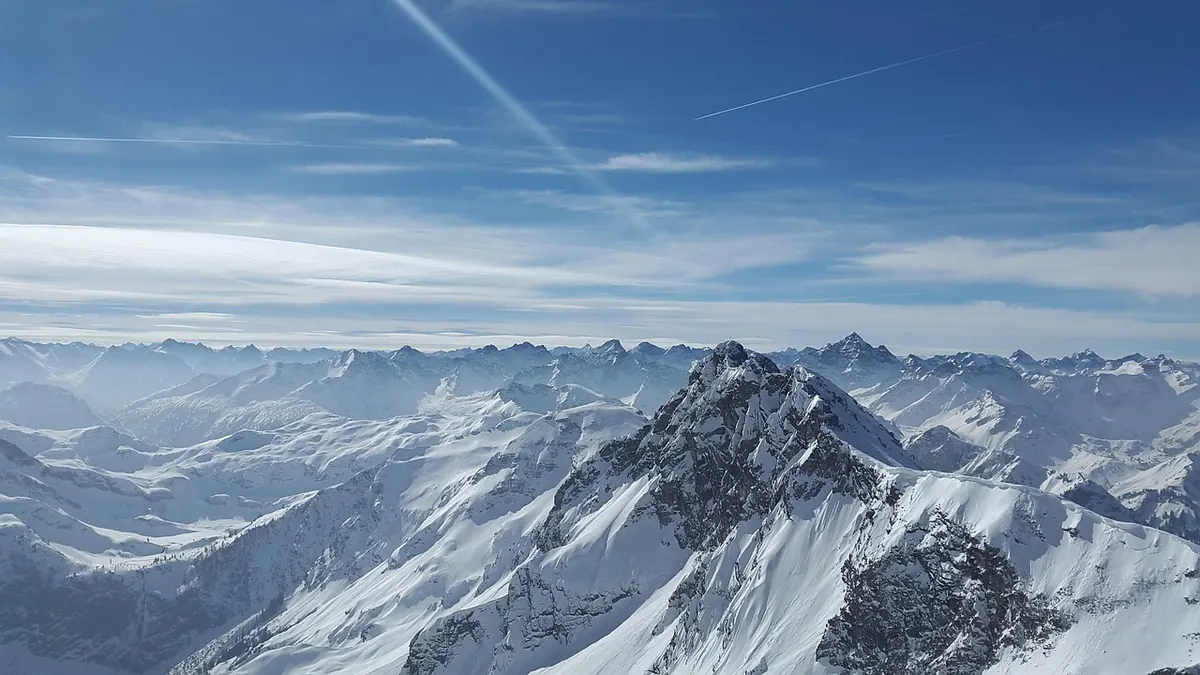
Snowdonia in winter is not the same hill with colder air. The Snowdon Mountain Railway stops running, Hafod Eryri closes its doors, and the mountain rescue teams covering Eryri spend the short days answering calls from people who packed for a walk and got a mountaineering day instead. On the high ground a summer path can turn into a ribbon of ice, and a plateau that took two hours in July can take five with a headwind and knee-deep drifts.
None of that should put you off. A clear winter day above Llyn Idwal, with the Glyderau under snow and nobody else about, is one of the finest things the British hills offer. It just asks for a different approach: check more, carry more, and decide in advance when you will turn around.
Most winter epics are decided at the kitchen table, not on the ridge. Give yourself twenty minutes with a brew and go through this properly.
Layering does the work here. A wicking base layer, a fleece or two, a synthetic belay jacket and a hardshell will handle almost anything Eryri throws at you, as long as you keep the spare layer dry for when you stop.
Crampons and an axe are only useful with the skills to go with them. Walking in crampons is a technique in itself: flat-footing on gentle ground, French technique on steeper snow, keeping the points sharp, and never letting a front point catch the back of your other leg. If you have never used them, book a day with a guide or an instructor at a centre such as Plas y Brenin, or go out with someone who genuinely knows what they are doing. Borrowed kit and guesswork is a poor combination above the snowline.
Navigation is the other skill that quietly disappears in winter. Paths vanish under snow, cairns disappear, and features that looked obvious on the map become a white blank. Practise pacing and bearings on a low-level walk in poor weather before you need them at 900 metres. If you can walk a bearing confidently on a featureless hillside, you have bought yourself a lot of margin.
Turn-back points are not a sign of weakness; they are the thing that makes a hard day a good one. Settle them before you start, tell the group, and then hold to them. Consider turning around if:
Dial 999 or 112 and ask for the police, then mountain rescue. Texting 999 works if you have registered for the service in advance, which is worth doing on a quiet evening before your trip. Be ready to give a grid reference, the number in your party, injuries, and a description of what everyone is wearing. Get the casualty off the ground and out of the wind, use the group shelter, and keep them warm.
Cold injuries are time-critical. If someone is shivering uncontrollably, becoming clumsy or vague, treat it as an emergency and get help moving early rather than hoping a descent will fix it on its own. This is general guidance, not medical advice — if you are worried, call and let the professionals decide.
Turn around early and often. Most good winter days in Snowdonia end with the summit unvisited and the group still friends, and the ones that do not are usually the days when somebody ignored a feeling at half past twelve. Leave a plan with someone at home, take a photograph of the conditions from the car park, and debrief in the pub with the map open. Next time you will read the hill a little better, and the hill will still be there to read.
Photo: Simon / Pixabay
Previous Post
How to Wild Camp Responsibly in the UK: Leave No Trace for Hikers
Next Post
Understanding UK Map Symbols: Grid References, Contours and Rights of Way Explained