How to Wild Camp Responsibly in the UK: Leave No Trace for Hikers
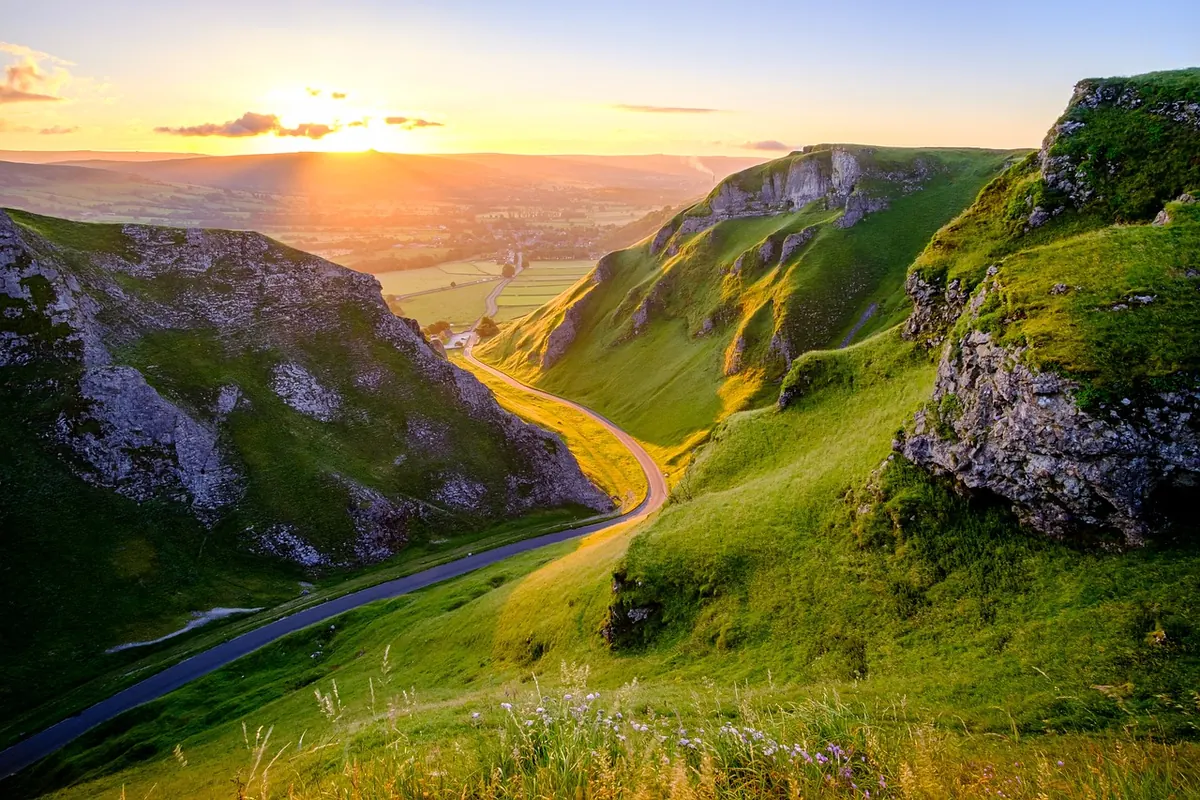
You know a wild camp has gone well if, a week later, you would struggle to find the spot again. That is the whole idea. A quiet pitch on a summer evening, a stove flame, a brew, a sky with too many stars in it — and then nothing left behind but a flattened patch of grass that will be standing up again by Tuesday.
Getting that right takes a bit more thought than simply walking until you are tired. There is law to know, ground to read, and a few habits worth building before your first night out. None of it is complicated, and most of it makes the camping better rather than more fussy.
Wild camping in the UK is one of those subjects where confident-sounding advice is usually wrong. The rules differ by nation, and they change.
The Land Reform (Scotland) Act 2003 gives a right of responsible access that includes wild camping on most unenclosed land. That is a genuine right, not a tolerance, but it comes with conditions. It does not cover enclosed fields, it does not cover ground close to buildings, roads or machinery, and it does not apply where byelaws have been introduced — parts of Loch Lomond and the Trossachs National Park, for example, run permit schemes in certain areas during the summer months. Read the Scottish Outdoor Access Code; it is short, sensible and written for exactly this situation.
There is no general right to wild camp. Open access land under the Countryside and Rights of Way Act is for walking and similar recreation, not for pitching a tent. In practice, wild camping happens widely with the landowner's permission or where a tolerant arrangement exists — parts of Dartmoor operate a permissive system, for instance — but permission is the thing that makes it lawful. Trespass is usually a civil matter rather than a criminal offence in England and Wales, which is not the same as it being acceptable, and it can put access agreements at risk for everyone.
This is a general summary, not legal advice, and details shift. Before you go, check the website of the relevant national park authority, and where permission is needed, ask the landowner. A knock on a farm door the week before is rarely refused.
Most damage from wild camping comes down to where the tent went, not what was carried. Aim for ground that is already worn or robust, and give everything else a wide berth.
The seven principles — plan ahead, use durable surfaces, dispose of waste properly, leave what you find, minimise fire, respect wildlife, be considerate of others — translate well here, with a few local accents.
Carry everything out. Everything. The wrapper off a flapjack, a tea bag, a plaster, a contact lens, the corner of a map. Micro-litter is the most common thing found on popular pitches, and wet wipes are the worst offender of all. Leave stones, antlers, flowers and fossils where they are; the hills are the museum, not the shop.
Away from facilities, you have two decent options. The first is a cathole: 15 to 20 centimetres deep, well away from water, paths and pitches, in soil rather than fragile upland vegetation, then filled back in and the turf replaced. If there is no soil to dig, you are on the wrong ground — move, or use the second option.
The second option is carrying it out. A dedicated waste bag and a sealed container is the standard approach in fragile or heavily used areas, and in winter when the ground is frozen. Toilet paper always goes in the bag, either way. Hand gel afterwards, before you touch your food bag.
Food scraps attract everything. Store your food properly, cook away from your sleeping shelter, and don't leave anything out overnight that a fox, a sheep or a deer might investigate. Sheep will eat almost anything, including the corner of your tent if it has been near food.
Use a stove. Fires are sometimes permitted in Scotland under the access code, but only small, only where there is no wildfire risk, and never during a dry spell. In England and Wales, assume fires need explicit permission. A new scar of blackened stones is visible for years.
Water from upland streams, tarns and springs is not sterile. Livestock and wild animals graze and drink upstream of you. Carry treatment — a filter, tablets or a UV device — or bring water in. If you are unsure of the source, treat it.
The traditional rhythm exists for a reason. Pitch in the evening, low and quiet, and be packing down by first light. It reduces the chance of an awkward conversation, disturbs wildlife less, and generally produces better photographs on the walk out.
Leave nothing but a patch of grass that will forget about you. Where the law asks for permission, ask; where the ground is fragile, walk on. That is how the access we have now stays open, and how the next person gets the same quiet evening you just had.
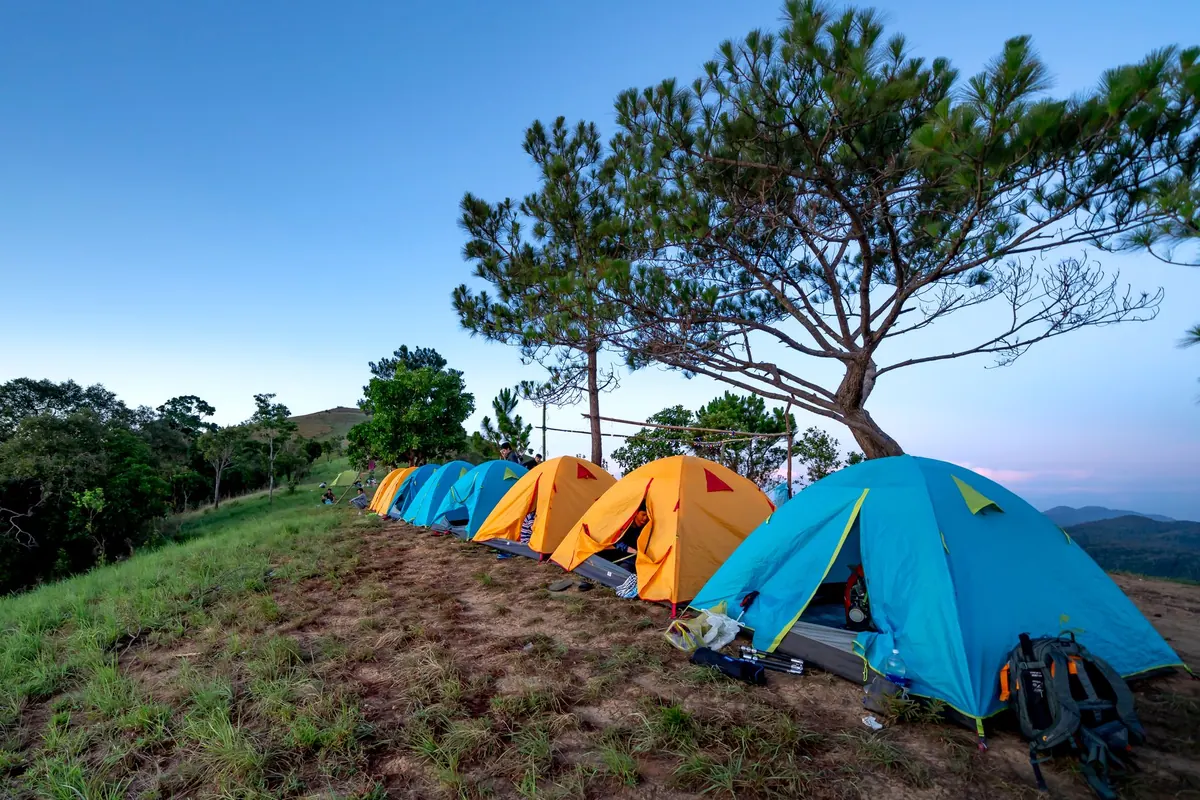
Photo: Quang Nguyen Vinh / Pexels
Previous Post
Best Coastal Walks in Cornwall for Spring Wildflowers and Quieter Paths
Next Post
A Winter Hill Walking Checklist for Snowdonia: What to Pack and When to Turn Back