Beginner's Guide to Your First Solo Hike in the Lake District
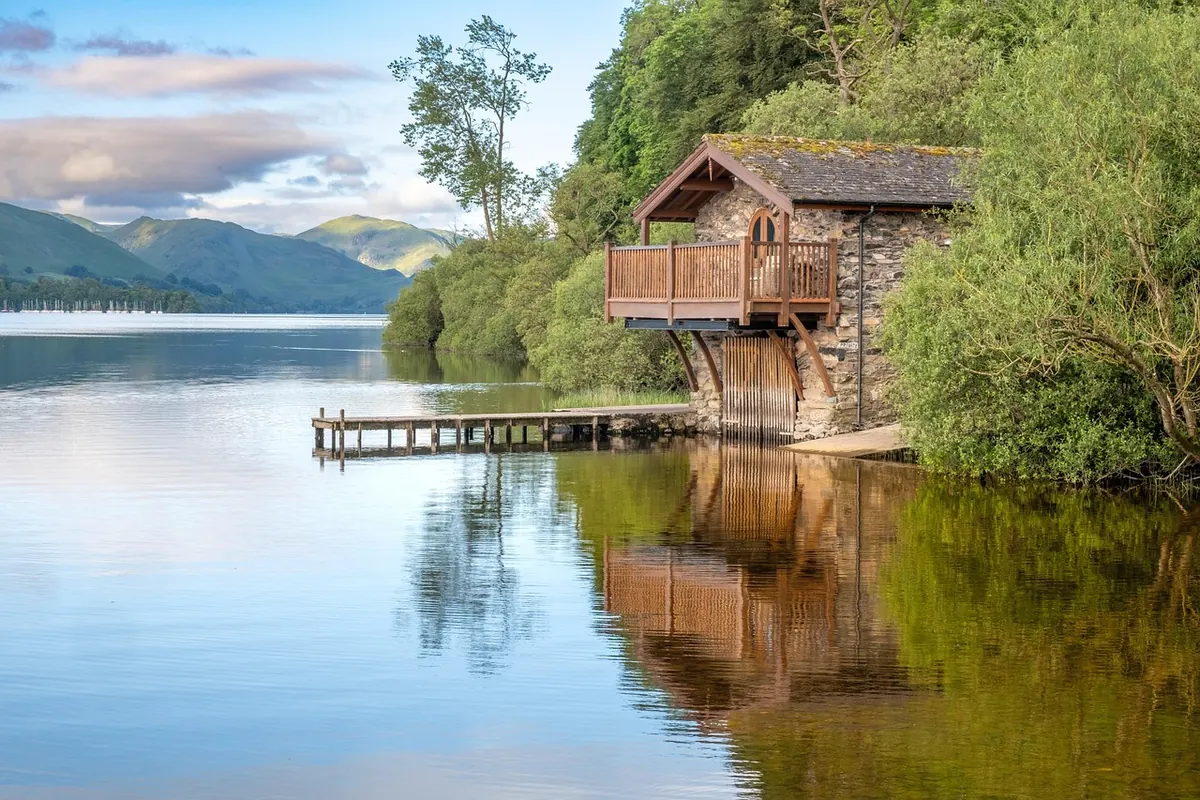
Going out alone for the first time is a mix of nervy and brilliant. There is nobody to check the map with, and nobody to blame when the path disappears into bracken. But there is also no compromising on pace, no waiting at stiles, and the particular quiet you only get above the tree line on a weekday in October.
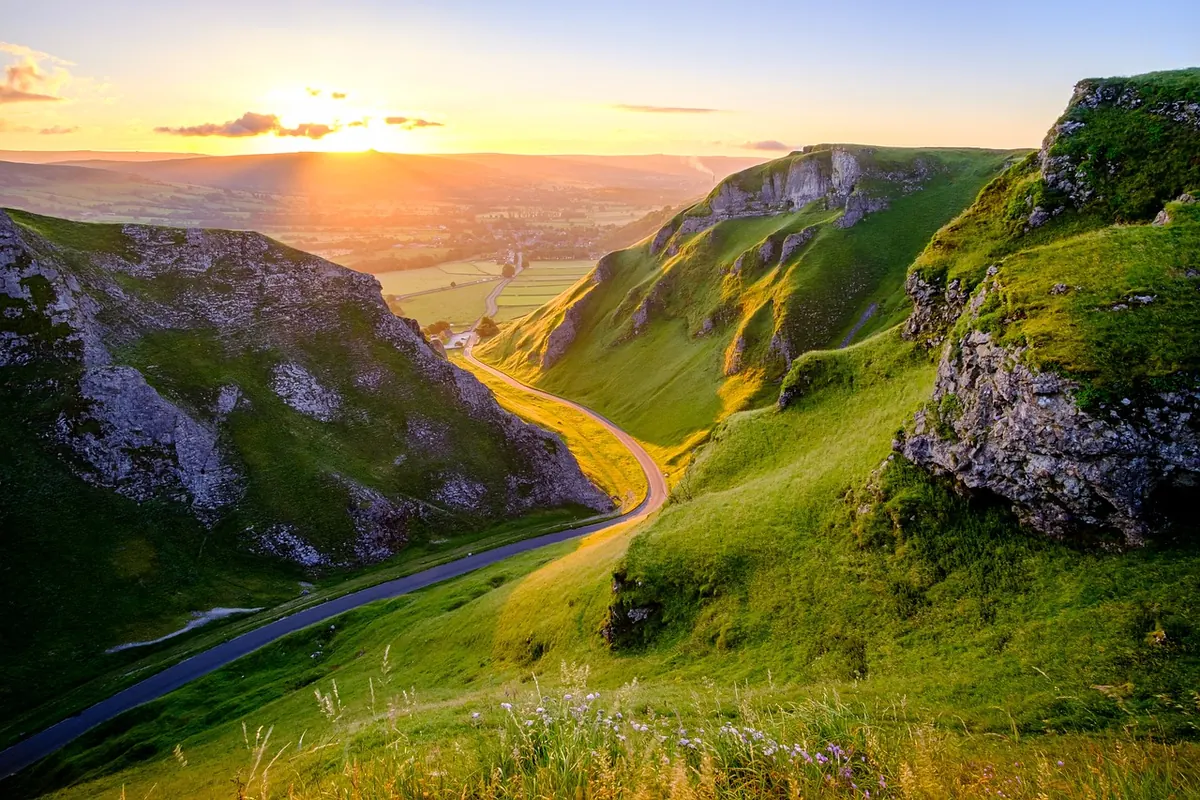
The Lake District is a forgiving place to learn. It is compact, the popular paths are obvious, and you are rarely more than a couple of miles from a road. It is also genuinely mountainous when the weather turns, and people are caught out on modest fells every year. Keep the first one small: one day, one route, a light pack, and clear rules about when to turn round.
Your first solo hike is not the day to test yourself on Sharp Edge. Choose ground where the path is clear, the distances are short and other people are about — not because you will need help, but because being able to ask a stranger "is this the way to the col?" is a useful safety valve.
The best first routes share three features: an obvious path, a low-level escape, and a road or village within a mile.
When you want a summit with real height, Loughrigg Fell from Rydal is a sensible step up. It is popular, but the paths braid in all directions and you will need to read the map — which is exactly the sort of gentle practice a first solo day is for.
A route that works in June can be miserable in November. Before you decide, look at:
You do not need much for a day walk, but you do need the right things. The Lakes can deliver four seasons between the car park and the summit.
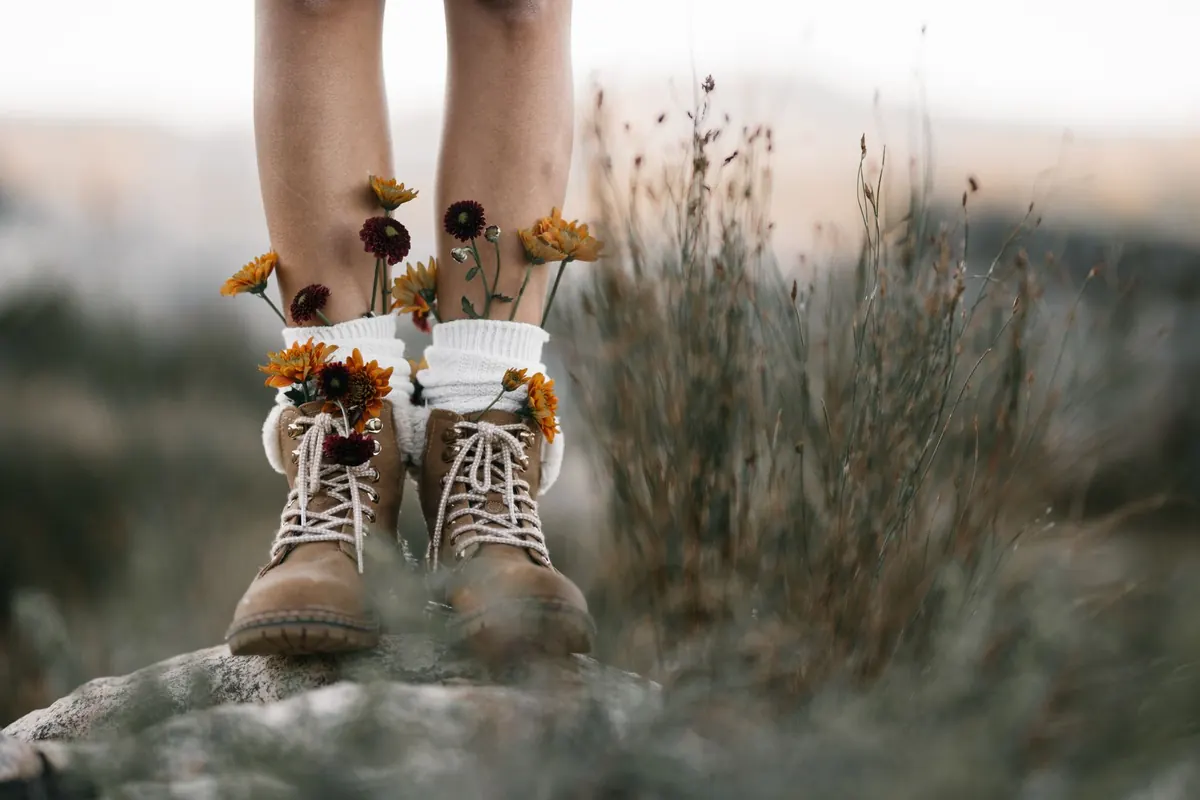
Leave behind the jeans, the cotton T-shirt and the heavy glass bottle. Break boots in on short local walks, not on a fell.
Set a turnaround time, not a summit goal. "I turn round at 2pm whatever happens" has kept more walkers out of trouble than any piece of kit. If you are 200 metres from the top when the clock reaches two, you still turn round.
For timings, a rough rule of thumb is around 3 km/h on the flat, plus extra for climbing and rough ground. Solo walkers tend to move faster than groups on the flat because there is nobody to chat to, and slower on the climbs because there is nobody to share the front.
Eat before you are hungry. Twenty minutes out of the wind with a sandwich is not wasted time; it is what keeps the second half steady.
Most days out go slightly wrong rather than badly wrong: a turned ankle, a soaking, a wrong turn that costs an hour. Deal with small problems immediately and they usually stay small.
If you are merely late rather than hurt, text your contact so they can stand down — most callouts begin because someone was expected home and was not.
If you have a condition that could affect you on the hill, mention it to your GP before planning a bigger day, and make sure someone at home knows about it.
Pack the bag the night before, charge everything, check the forecast twice, and leave a note with your route, where you parked and when you expect to be back. Set off earlier than feels necessary; car parks at the honeypots fill by mid-morning and roadside parking is restricted in most valleys.
When you get home, dry your kit, then write down the one thing you carried and never used, and the one thing you wished you had. That second list is what shapes your pack for the next walk.
Photo: 1854545 / Pixabay
Previous Post
10 Common Navigation Mistakes New Hikers Make in the UK (and How to Fix Them)
Next Post
Best Coastal Walks in Cornwall for Spring Wildflowers and Quieter Paths