Walking Boots vs Trail Runners: Which Is Better for British Hill Paths?
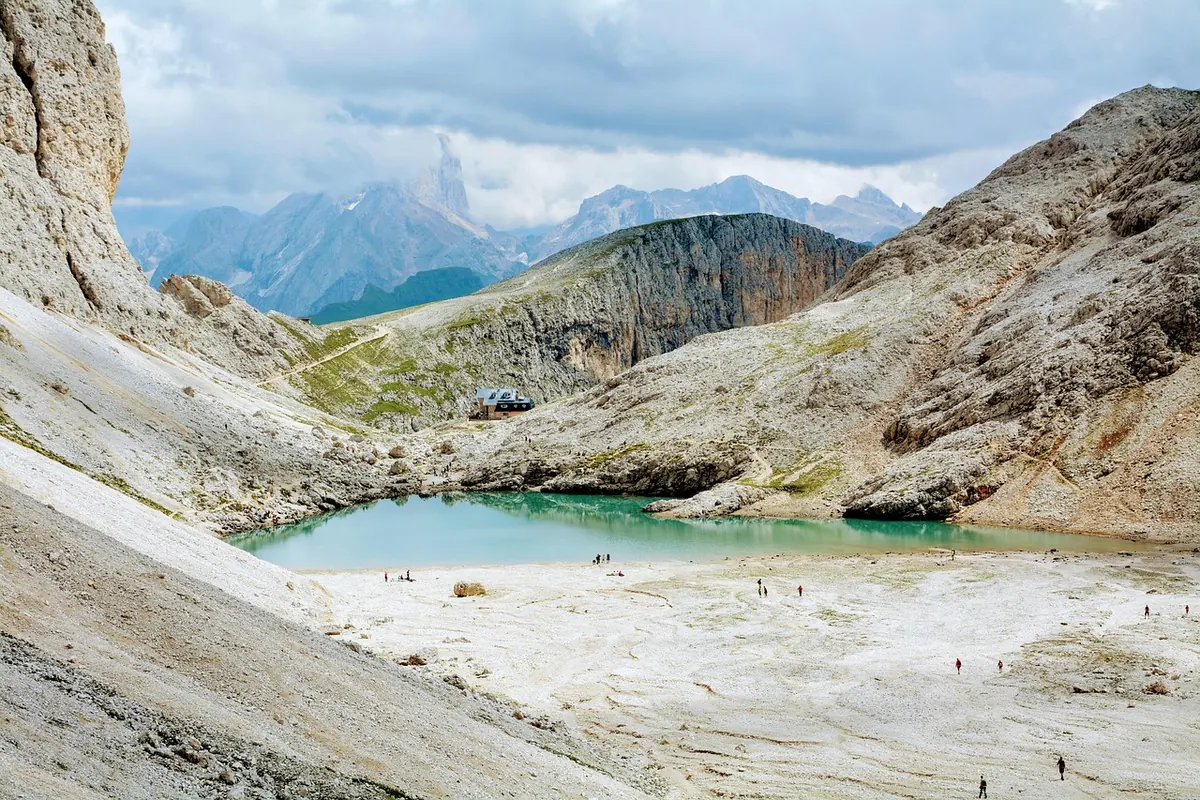
Two walkers set off from a Lake District car park on a damp morning in October. One is laced into stiff leather boots; the other is wearing trail runners that look as though they would rather be on a towpath. Six hours later, ask them which footwear was better and you will get two confident, opposite answers. Both of them will be right.
That is the awkward truth at the centre of this argument. There is no universal winner here, only a winner for the particular day you are having — the ground, the load, the weather and your own ankles.
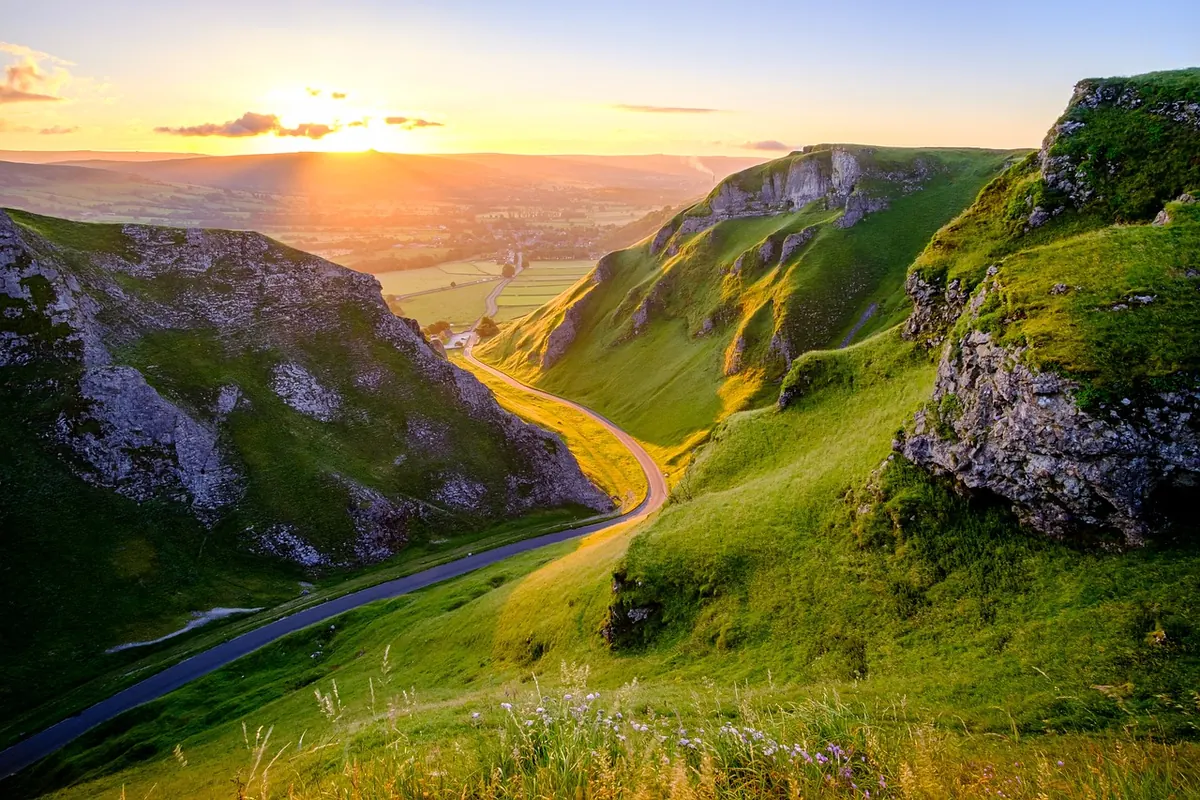
Think about the surfaces you meet in a single season: compacted gritstone trods, wet rock slabs, loose slate scree, tussocky grass, peat hags, eroded gullies and long stretches of standing water that never quite dry out. Add a stile or two, a boggy col, a stream crossing and 600 metres of ascent before lunch.
None of it is extreme. Almost all of it is varied, and much of it is wet. British hills are not technically demanding in the alpine sense, but the ground changes underfoot every twenty minutes and rain can arrive in any month. Your footwear has to cope with mud, rock, water and distance — usually all four on the same walk.
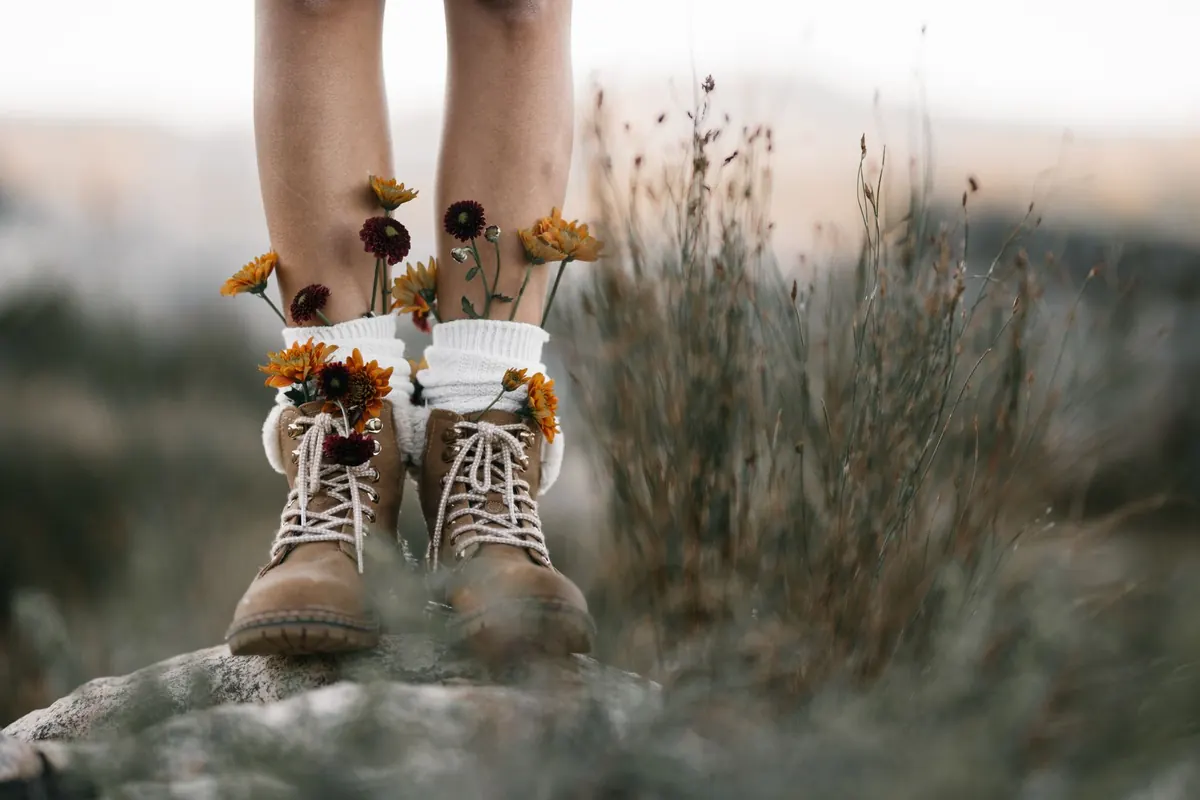
Boots are heavier and stiffer, and the stiffness is the point. A rigid sole and a supportive upper transfer load from your feet into the boot's structure, which matters when your rucksack holds a tent, a stove and three days of food. On boulder fields and scree, a stiffer sole protects the arch from sharp edges and stops your foot wrapping itself around every lump of rock.
They also keep the weather out for longer. A waterproof boot with a decent cuff shrugs off shallow puddles, wet grass and sideways rain, and it keeps grit and heather out of your socks. For winter days, snow patches and anything involving crampons, a stiffer boot with a suitable sole is generally the sensible answer.
Waterproof boots only work while the water stays below the top. Wade through a knee-deep bog and the boot fills — and then it stays full, because the membrane that keeps rain out also keeps water in. A soaked leather boot can take a day or more to dry, which is a long time to spend in wet footwear.
On a summer day with a light pack, trail runners are hard to argue with. They are lighter, so you lift less with every step — and that adds up over a thousand metres of ascent. They flex, which lets your foot roll with the ground rather than fight it. Many have aggressive lugs and sticky rubber that grips wet rock as well as anything on the shelf.
The bigger advantage is drainage. A non-waterproof trail runner takes on water in a bog, then pumps it out as you walk and dries within an hour in sun or wind. Wet feet you can live with. Wet boots for two days you cannot.
Their limits are equally clear. Under a heavy pack, thin midsoles and soft uppers let your feet spread and ache. On rough, pathless ground you feel every rock, and a flexible toe box means stubbed toes on scree descents.
Deep, widely spaced lugs clear mud better than shallow, closely packed ones. In British peat bogs, a boot or shoe with deep lugs and a firm heel hold wins — though nothing grips a greasy peat hag perfectly. Boots keep you drier there. Runners leave you wetter but lighter on your feet.
Rubber compound matters more than category. Softer rubber tends to grip wet rock better but wears faster; harder compounds last longer and slide more on polished slab. Tread pattern matters too: lugs designed for mud can feel vague on smooth rock, and rock-oriented tread fills up quickly in bog. If you can, test a shoe on a wet slab before you commit to it.
Over 20 kilometres, comfort has less to do with boot versus shoe and more to do with fit, socks and pack weight. Feet swell during the day, so footwear that felt snug in the shop can jam your toes on a long descent. Aim for room at the front in the afternoon, a locked-in heel and no sliding when you push uphill.
Socks do more than most people expect. Merino or synthetic blends wick and cushion; cotton holds water against the skin and is a reliable route to blisters. Take a spare pair on any long day, air your feet at lunch, and change socks if they are soaked.
Buy at the end of the day, when your feet are at their largest, and take the socks you actually walk in. Walk around the shop, use any ramp or steps they have, and stand on the edge of a step to check your toes do not touch the front.
Boots need breaking in. Short walks first, then a longer half-day, before you trust them on a big hill day. Trail runners rarely need that, but check the heel hold — a shoe that slips at the heel will rub you raw on a descent.
Replace trail runners when the midsole feels flat, not when the tread looks worn. Replace boots when the sole is smooth, the upper has gone soft, or water gets in faster than it used to.
If you have ongoing foot, ankle or knee pain, see a physiotherapist or podiatrist rather than hoping a new pair of boots will solve it. Good footwear helps; it is not treatment.
And you do not have to pick a side for life. Plenty of hill walkers keep boots for winter and laden trips and a pair of trail runners for everything else, then choose on the morning based on the forecast and what is in the rucksack.
Photo: pcdazero / Pixabay
Previous Post
The UK Hiker's Three-Season Layering Checklist for Changeable Weather
Next Post
10 Common Navigation Mistakes New Hikers Make in the UK (and How to Fix Them)